
Fuel Your Active Lifestyle with Science-Backed Energy Foods
Discover the nutrition secrets that keep active men performing at their peak. Learn which foods deliver sustained energy, muscle recovery, and lasting power throughout your day.
The information on this site is for educational purposes only and does not constitute medical advice. Always consult a qualified healthcare professional before making health decisions.
Why Energy Foods Matter for Active Men
Your body demands more than calories—it needs strategic nutrition. Active men require foods that deliver quick energy, sustained endurance, and powerful muscle support. Understanding which foods work best can transform your performance and recovery.
Sustained Energy Release
Complex carbohydrates and proteins work together to provide steady energy that lasts through intense workouts and demanding days, preventing crashes and fatigue.
Muscle Recovery & Growth
Amino acids and micronutrients from whole foods support muscle repair after training, reduce recovery time, and promote lean muscle development naturally.
Peak Performance Nutrition
Strategic food choices enhance focus, strength, and endurance while supporting heart health and hormonal balance for optimal athletic performance.
Six Categories of Power-Packed Energy Foods
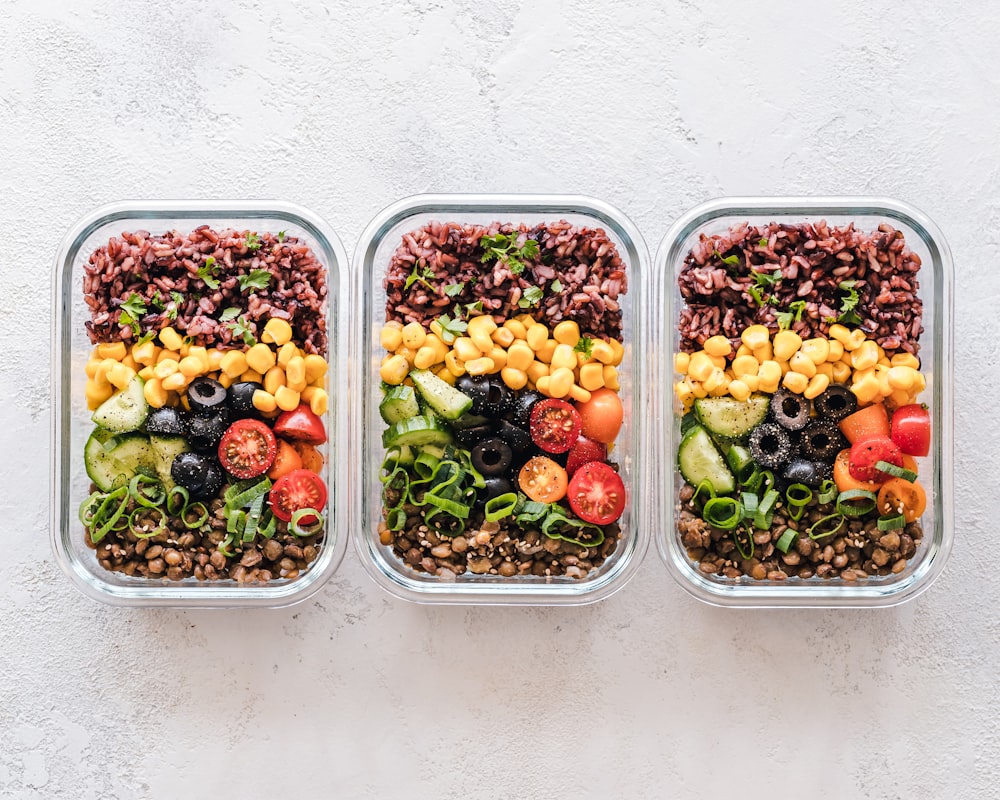
These six food categories form the foundation of peak athletic nutrition. Each plays a unique role in fueling your body and supporting your active lifestyle.
Lean Proteins
Chicken, fish, turkey, and lean beef provide amino acids essential for muscle repair and sustained energy. These foods offer high protein density with minimal added fats.
Learn about optimal protein timing and portions for your training schedule.
Whole Grains & Carbs
Oats, brown rice, quinoa, and sweet potatoes deliver complex carbohydrates that fuel workouts and replenish glycogen stores for sustained endurance.
Discover the best carb sources for pre and post-workout nutrition.
Vegetables & Greens
Spinach, broccoli, kale, and bell peppers packed with vitamins, minerals, and antioxidants support recovery, immunity, and overall athletic performance.
Explore how micronutrients boost energy and reduce fatigue.
Healthy Fats
Avocados, nuts, olive oil, and fatty fish provide omega-3s that reduce inflammation, support hormone production, and deliver concentrated energy.
Learn how quality fats enhance nutrient absorption and stamina.
Fruits & Berries
Bananas, blueberries, and oranges provide quick carbs, natural sugars, and powerful antioxidants for pre-workout energy and post-workout recovery.
Find out which fruits deliver the most energy and recovery benefits.
Supplements & Superfoods
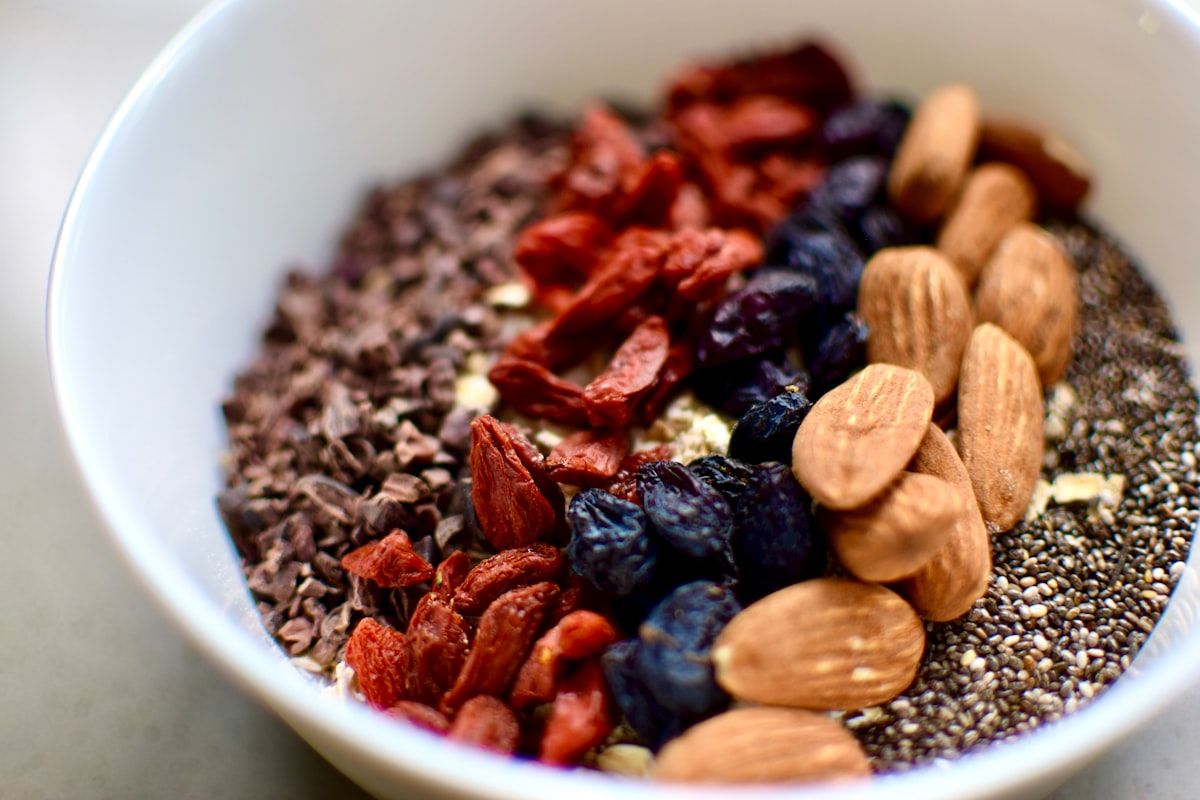
Greek yogurt, nuts, seeds, and functional foods amplify energy intake. These nutrient-dense options support muscle growth and sustained performance throughout the day.
Understand which supplements complement whole-food nutrition.
Build Your Daily Energy Meal Plan
Follow these strategic steps to design a nutrition plan that keeps your energy high and your performance peak throughout the entire day.
Calculate Your Daily Caloric Needs
Determine your baseline energy requirements based on activity level, body composition, and fitness goals. Active men typically need 2,400–3,500 calories daily, depending on training intensity and frequency.
Structure Macro Balance Strategically
Aim for approximately 40% carbohydrates for sustained energy, 30% protein for muscle support, and 30% healthy fats for hormone function. Adjust ratios based on your specific training style and goals.
Plan Pre & Post-Workout Nutrition
Eat easily digestible carbs and protein 2–3 hours before exercise. After training, consume protein and carbs within 30–60 minutes to accelerate recovery and replenish energy stores for optimal performance.
Prioritize Hydration & Micronutrients
Drink at least 3–4 liters of water daily, more on training days. Include mineral-rich foods like leafy greens, nuts, and seeds to support electrolyte balance, muscle function, and recovery.
Real Results from Active Men
Discover how strategic energy nutrition has transformed training results and performance for men just like you.
Budi Santoso 5.0/5
Jakarta, Indonesia
I was exhausted by mid-afternoon before I restructured my nutrition. After learning about proper carb timing and protein distribution from these articles, my energy levels stayed consistent all day. My gym performance improved significantly, and recovery feels faster than ever. This content genuinely changed how I approach fueling my body.
Riyanto Wijaya 4.9/5
Bandung, West Java
The breakdown of which foods deliver quick energy versus sustained energy was a game-changer. I now meal prep strategically before training days. My lifts have increased noticeably, and I don't get the afternoon crash anymore. The education around micronutrients opened my eyes to what I was missing.
Adi Kusuma 5.0/5
Surabaya, East Java
As someone training twice daily, energy management was critical. These articles taught me how to structure my nutrition around workouts. My strength gains are visible, and my energy during evening sessions is no longer a problem. The science-backed approach makes it easy to understand why these foods work.
Harendra Singh 4.9/5
Medan, North Sumatra
Clear, actionable information about macro ratios and food timing made a real difference. I stopped guessing and started planning. My body composition improved, I have more stamina during work, and I recover faster after intense training. This resource is exactly what active guys need.
Common Questions About Energy Nutrition
Get answers to the questions active men ask most about fueling their performance and optimizing their nutrition.
Eating 2–3 hours before exercise, choose easily digestible carbs paired with moderate protein. Oatmeal with banana, chicken with white rice, or a sweet potato with egg whites work excellently. These provide energy without causing digestive discomfort. For workouts within 1 hour, a banana or sports drink offers quick carbs. The key is balancing energy availability with comfort during movement.
Active men training regularly benefit from 1.6–2.2 grams of protein per kilogram of body weight daily. For a 80-kilogram man, that's approximately 130–175 grams daily. Distribute protein evenly across meals—about 30–40 grams per meal—to optimize muscle synthesis. This supports strength gains, faster recovery, and sustained energy throughout the day. Quality sources include lean meats, fish, eggs, and plant-based options like legumes.
This depends on your training style and intensity. High-intensity workouts and endurance training require adequate carbs for peak performance and recovery. Lower-carb approaches may work for low-intensity activity but often reduce strength and power output. Most active men see better results with 4–7 grams of carbs per kilogram of body weight daily, adjusted based on training volume. Experiment cautiously and monitor performance metrics closely.
The post-workout window is important but not as critical as some claim. Consuming protein and carbs within 2 hours of finishing exercise supports muscle recovery and glycogen replenishment. Ideally, eat within 30–60 minutes for faster absorption. A meal with 20–40 grams of protein and 40–80 grams of carbs accelerates adaptation. If immediate eating isn't possible, a post-workout shake or snack within 2 hours still provides significant benefits.
Whole foods should form the foundation of your nutrition. Most active men who eat strategically don't require supplements for basic needs. However, certain supplements like whey protein, creatine, and multivitamins can be convenient tools to fill gaps or meet specific goals. Post-workout protein shakes offer convenience when whole meals aren't available. Focus first on consistent whole-food nutrition, then add supplements strategically to support your individual needs.
Calorie quantity alone doesn't guarantee energy quality. Processed foods high in sugar cause energy crashes, while poor nutrient distribution leaves you depleted. Check your micronutrient intake—iron, magnesium, B vitamins, and zinc directly affect energy levels. Ensure carbs are timed around training, protein is adequate, and you're not overtraining without sufficient recovery nutrition. Sleep, stress management, and consistent hydration also significantly impact felt energy despite adequate eating.
Stay Updated with Energy Nutrition Insights
Get the latest articles, science-backed tips, and nutrition strategies delivered to your inbox. Join our community of active men optimizing their performance.
Unsubscribe anytime. We respect your privacy. For content feedback, email [email protected]
Why Musclenutrientflowpro Stands Out
We're committed to delivering accurate, science-based information about energy nutrition for active men across Indonesia and beyond.
Evidence-Based Content
Every article is grounded in current sports nutrition research and practical experience. No misleading claims—just honest, actionable information.
Community-Focused
Built for active men by people who understand training demands. Our editorial team combines personal experience with nutritional expertise.
Comprehensive Guides
From beginner-friendly introductions to advanced nutrition strategies, our content covers every skill level and training style.
Explore Our Content Library
Browse detailed articles and resources about energy-boosting nutrition.
Discover All Articles